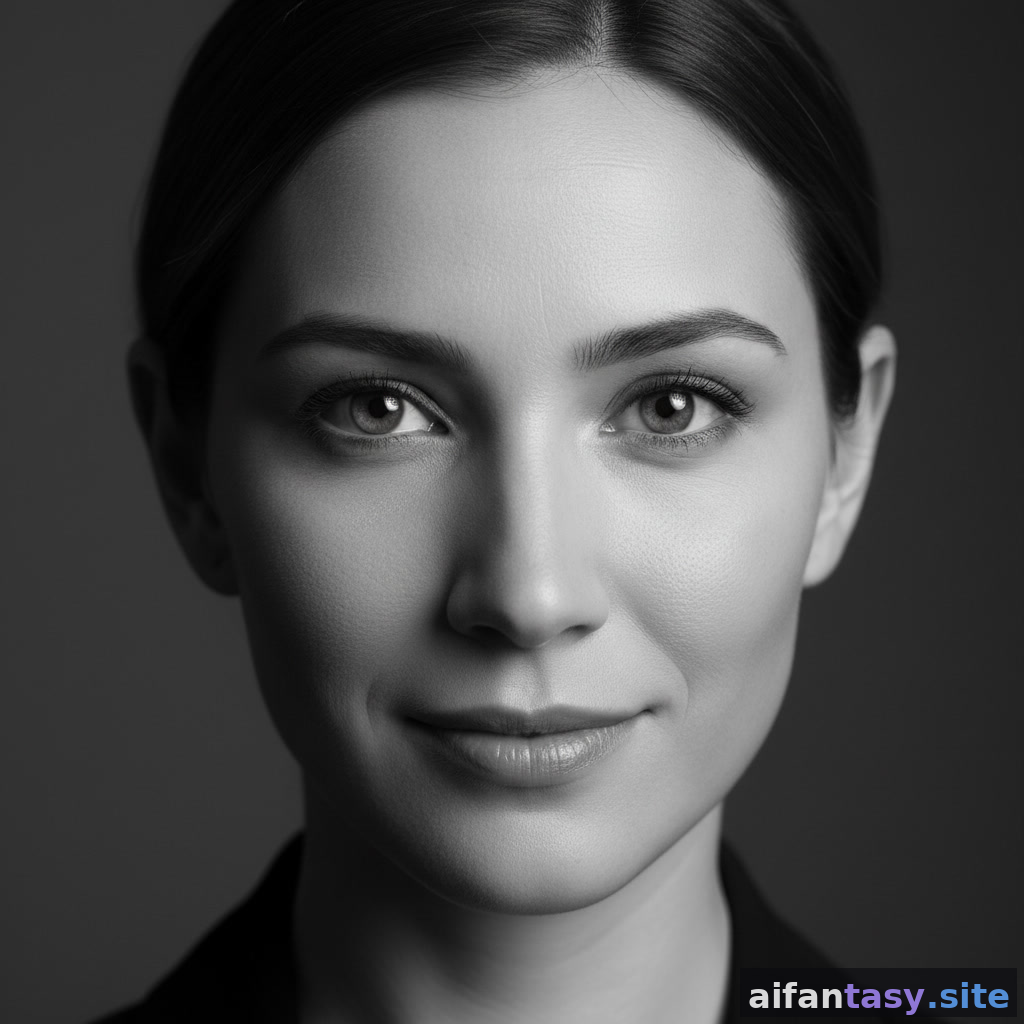
Casting-call discipline for the roles you're already auditioning for.
StyleCasting Call / Theatrical
Use ForSpotlight, Backstage, Reel
BackgroundPlain
LightingDramatic Studio
The female actor AI headshot follows the same casting-call discipline as its male counterpart: plain background, dramatic directional light, an expressive face that reads at thumbnail size. No "creative" pose, no busy wardrobe, no distracting backdrop — just the face and the expression a director can picture in a frame.
What changes is the read. The female actor headshot is tuned for the way casting directors actually review female submissions: in a stack of fifty on a phone screen, with the expectation that the headshot communicates type and range without a single line of dialogue. The composition is clean, the lighting is doing work, and the expression can be shifted through the prompt field to read as comedic, dramatic, period-appropriate, or modern indie without losing the casting-call frame.
Use it for: Spotlight and Backstage profile photos, agency submission packages, theatrical program headshots, indie film casting notices, podcast guest cards when you want to read as "person from a movie," and any place where a working actor's headshot would earn a callback.
Spotlight and Backstage profile photos: Matches the cropping and composition conventions of working actor databases.
Agency submission packages: Reads as a polished, professional headshot — without the studio invoice.
Theatrical program headshots: Holds up at any size from a playbill thumbnail to a poster.
Indie film casting notices: Director-friendly framing that survives a phone-screen review.
Reel thumbnails: When your reel needs a still image that reads as "actress in a movie."
How to Customize This AI Portrait
The default female actor AI headshot leans dramatic — directional studio light, plain gray background, an honest-but-expressive face, hair pulled back to keep the focus on the eyes. If you want a different read, the prompt field accepts descriptions like "comedic timing, mid-laugh, slight wink," "intense dramatic, hard stare, jaw set," "period piece, soft side light, hair down," or "modern indie, warm key light, soft smile." Each variation preserves the casting-call frame while shifting the read.
If you want the portrait to actually look like you, upload 5-10 reference photos first — the generator learns your face shape, skin tone, hair, and any distinguishing features (facial structure, hairstyle, makeup style) so the result reads as you, not a stock model.
Why Casting-Call Discipline Beats "Creative" Actor Photos
The biggest mistake non-working actors make with headshots is over-designing them. Casting directors want a face, not a brand. The female actor AI headshot sticks to that principle: plain background, dramatic light, honest expression, and a wardrobe that doesn't compete with the face. It earns callbacks because it survives the thumbnail review and reads instantly as "this person acts."